The Adaptive Reuse in Designing Modern Architecture
Adaptive reuse is a strategy that maintains the past and addresses the present demands. It has led to the creation of a mixture of old and new designs in the urban cities.
Providing New Life to Lost Structures
The derelict structures are being converted into useful areas such as cafes and offices. The architects keep the main structural elements but renovate interiors. This forms a special kind of blend between tradition and creativity.
Structural Preservation: A Method of Sustainability
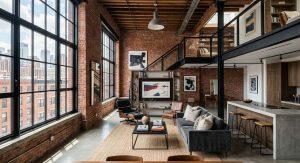
By reusing the available material, wastes are minimized during construction. It also reduces environmental impact in comparison to fresh constructions. This renders adaptive reuse a green building solution.
Design Issues in the Current Paradigms
Old structures need innovative solutions. Architects have to alter designs to accommodate the available layouts and constraints. This tends to result in more novel and tailored results.
Architectural Identity Between Culture
The existence of buildings that are preserved keeps a linkage with the history of a city. They mirror the narrations and the personality of the community. This brings in emotional and cultural values to the contemporary developments.
Adaptive reuse is a practice that will gain even more significance as urban spaces keep expanding.