Designing Music Retail Spaces That Improve the Customer Experience
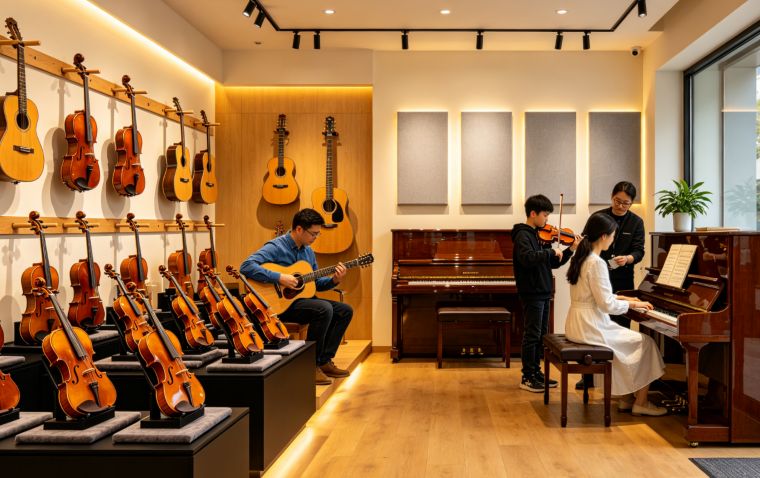
Store design has a measurable impact on how people shop, interact with products, and remember their experience. Research published by the Journal of Retailing shows that layout, atmosphere, and environmental cues influence customer behavior, time spent in stores, and purchasing decisions. Specialty music retailers face unique challenges because they must create spaces where customers can see, hear, and test instruments comfortably before making important decisions.
Well-designed music stores balance product display with personal service. Local services such as violin rental San Antonio demonstrate how thoughtfully planned retail environments can support families, students, teachers, and professional musicians by combining accessible consultation areas with instrument displays that encourage hands-on exploration without overwhelming visitors.
Balancing Function and Atmosphere
Music stores serve many types of customers. Parents may be shopping for a child’s first instrument, while experienced musicians often arrive with detailed technical questions. A successful showroom must accommodate both groups.
One design philosophy emphasizes efficiency. Wide aisles, organized displays, and clearly marked sections help customers quickly locate instruments and accessories. Another perspective values discovery by encouraging visitors to browse, compare products, and spend more time interacting with instruments. The most effective stores combine both approaches, offering intuitive navigation while creating opportunities for exploration.
Experts from the National Retail Federation note that shoppers value environments that reduce stress and make product comparisons easier. Clear organization supports confidence, especially when customers are making higher-value purchases.
The Importance of Acoustics
Unlike many retail products, musical instruments must be heard as well as seen. Poor acoustics can make every instrument sound harsh or distorted, leading customers to judge products unfairly.
Studies published by the Acoustical Society of America explain that room acoustics affect how people perceive sound quality. Excessive echo, background noise, or hard reflective surfaces can interfere with accurate listening.
Many specialty retailers address this challenge by including:
- Dedicated sound-testing rooms
- Acoustic wall panels
- Carpeted testing areas
- Quiet consultation spaces
- Controlled background music levels
These features allow customers to compare instruments under consistent listening conditions. They also create a more comfortable experience for beginners who may feel nervous about playing in front of others.
Lighting That Supports Decision-Making
Lighting shapes both appearance and mood. Musical instruments often feature fine wood grain, polished finishes, and handcrafted details that deserve accurate presentation.
Research from the Illuminating Engineering Society suggests that proper lighting improves visual comfort while helping shoppers evaluate color, texture, and craftsmanship more accurately.
Natural light creates an inviting atmosphere, but it must be balanced carefully because prolonged sunlight can damage wood finishes over time. Many retailers therefore combine indirect daylight with adjustable LED lighting that highlights instruments without exposing them to excessive heat or ultraviolet radiation.
Comfortable lighting also encourages longer browsing sessions, making conversations with staff feel more relaxed and less rushed.
Storage That Protects Valuable Inventory
A music retailer must display inventory attractively while protecting delicate instruments from damage. Violins, cellos, guitars, and woodwind instruments respond to changes in temperature and humidity.
Guidance from the Library of Congress Preservation Directorate and conservation professionals emphasizes that stable environmental conditions help preserve wooden objects and reduce the risk of cracking or warping.
Many specialty stores therefore separate display inventory from climate-controlled storage. Staff can retrieve additional models while maintaining proper preservation standards behind the scenes.
This approach supports operational efficiency without compromising instrument quality.
Consultation Areas Build Customer Confidence
Buying or renting an instrument often involves questions about maintenance, sizing, accessories, and long-term commitment. Private consultation areas provide customers with opportunities to discuss these topics without feeling hurried.
Families selecting a student’s first instrument frequently appreciate dedicated seating where teachers or store specialists can explain differences between models. Professional musicians may prefer quiet spaces for discussing advanced equipment or custom orders.
Research published by the Harvard Business Review highlights that personalized customer interactions strengthen trust and improve long-term relationships. Comfortable consultation spaces support these conversations naturally.
Designing for Different Customer Journeys
Every visitor enters a music store with different goals. Some need a quick accessory purchase. Others may spend over an hour evaluating several instruments.
Effective retail design recognizes these varying journeys by offering flexible spaces.
- Fast checkout areas for routine purchases
- Interactive display zones for hands-on testing
- Comfortable seating for accompanying family members
- Practice rooms for detailed comparisons
- Accessible layouts for visitors of all ages and mobility levels
Reports from the International Council of Shopping Centers indicate that customer-centered retail environments encourage repeat visits by making shopping more convenient and enjoyable.
Creating Community Connections
Successful music retailers often become gathering places rather than simple stores. Bulletin boards featuring local performances, lesson information, school orchestra announcements, and community events strengthen these connections.
Many retailers host workshops, instrument care demonstrations, or small performances. These activities encourage customers to return even when they are not actively shopping.
Research from the Americans for the Arts highlights the positive role local arts organizations and cultural spaces play in building stronger communities and supporting lifelong participation in music education.
Retail design can support these activities by including flexible event spaces that adapt for demonstrations, educational sessions, or performances without disrupting daily operations.
Finding the Right Balance Between Beauty and Practicality
Some retailers focus heavily on visual appeal with dramatic displays and elegant interiors. Others prioritize maximum inventory and storage capacity. Both approaches offer advantages, yet each has limitations when taken to an extreme. Principles of emotional design in modern architecture also show how thoughtfully designed environments can influence comfort, perception, and engagement. Those same ideas apply to specialty music stores, where every design decision contributes to a welcoming and memorable customer experience.
A highly decorative showroom may sacrifice functionality, while an overly crowded store can overwhelm visitors and reduce comfort. The most successful environments balance aesthetics with practical considerations. Customers should feel inspired while still being able to compare products easily, receive expert guidance, and move comfortably throughout the space.
Thoughtful planning helps create retail environments that serve musicians at every experience level. As customer expectations continue evolving, specialty music stores that combine smart layouts, comfortable acoustics, quality lighting, secure storage, and welcoming consultation areas will remain well positioned to support lasting relationships with their local communities.