The Emotional Design: How the Movie Domain Suggests Modern Architecture
The correlation between the spaces we live in and the narratives that we give is ancient. Both design and cinema have one, the same, and deep-rooted objective. It is to influence the way we respond to space and, through it, to respond to the way we feel about the space.
The film industry, which is very easily accessible in recent years, has become a form of entertainment. It is through the websites that provide free movies online. To architects and designers, it has turned into a space and emotional blueprint catalogue of living digital libraries.
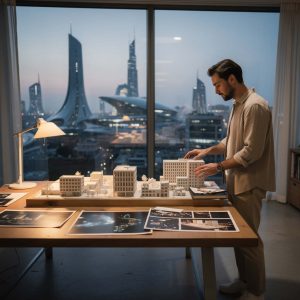
The designers are discovering new avenues to give physical structures life through the use of camera movement in a room. Or, it could be in the way a particular character reacts to a certain environment. We are no longer merely constructing shelters and we are creating scenery to the lives of the people who are going to inhabit them.
Space as a Visual Storytelling
Architecture does not simply happen to be a background in the film world. It is a quiet narrator, and sometimes carries an equal amount of narrative load as the actors themselves. Consider how a large, reverberating hall can cause a character to appear small and isolated. Or, take into account how a room with low ceilings and a lot of clutter could enhance the feeling of tension and claustrophobia.
When we view a movie we are not only viewing a set but we are experiencing the psyche of space. Sterile, minimalistic rooms may be interpreted as a sign of emotional coldness of a character. Whereas, the home of warm forest and warm touch tells the story of the past and belonging.
To a great degree, architects nowadays turn to these cinematic indicators to learn how to create certain moods in homes and business premises. They wonder, how can this point of entry speak of welcome? Or, what can this office design create the feeling of a calm focus?
Movies as Design Blueprints
It is not unusual that architects can take set design as an experiment to test out concepts that are too dangerous or costly to experiment in the real world first. Thanks to movies, it is possible to create spaces that cannot be built in the real world and break our conventional vision of space and time. These visual experiments are perpetually supplied by the movie domain.
The Architectural Cinematic Experience
Architecture in the modern world has started to emulate certain filming techniques so as to increase the human experience of a structure. We observe this in the framing views, when a window is not merely a source of light. But, a window is a window through which a particular landscape is going to be viewed, like a director can select a wide shot.
Bridging Art and Function
Both the film and architecture are at their essence about the sweet spot between the art and the functionality. As a good film has to incorporate both the artistic concept and the necessity of its narrative, the building also has to balance the aesthetic value and the functionality required by people residing in it.
Both art forms are geared towards touching people. They desire to impress us with images, connect with us emotionally, and affect us in an intellectual manner. When an architect turns to the movie world in search of inspiration, he/she is seeking a means of reaching closer to the soul of man. They are trying to create a space that they do not merely inhabit, but feel.
Design Inspiration Reads
When you are intrigued by this meeting of media and space, you only have to know more. You could also like reading imaginative articles with topics of psychology of space. It looks at how our environment determines the state of our mental well-being. Also, topics about designing your space with light and emotion is also a good read. It discusses the reasons why the so-called golden hour of filmmaking can be recreated in your living room. These resources still provide the answer to the difference between what we observe on the screen and what we construct our world.