Interior and Urban Spaces Adopting Biophilic Design
The role of biophilic design is to change the experience of people towards the environment. It pays attention to the use of natural elements in architecture and interiors. The primary goal of the said strategy is the improvement of one’s well-being and providing a relaxing environment. Yet, as the city population increases, the demand for nature-inspired design increases as well.
Employment of Natural Materials in the Modern Interiors
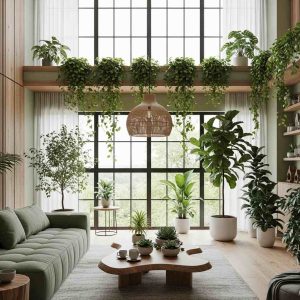
The most common textures used in design are wood, stone and organic textures. Such materials bring comfort and naturalness to spaces. They also tie the occupants with the natural world.
Creating Spaces for Well-Being Enrichment
Biophilic design facilitates psychological clarity and stress relief. Availability of greenery has been associated with better mood and productivity. This renders it useful in the houses as well as work places.
City Architecture Embracing Green Integration
Cities are integrating green roofs and green vertical gardens in buildings. These characteristics contribute to the betterment of the air quality and the minimization of heat. They also design attractive urban sceneries.
End Notes
With increased awareness, the number of designers that will take this approach will be on the increase. Nature-inspired design can be necessary in all built environments in the future.