Designing Modern Wellness Spaces: Integrating Recovery Areas Into Residential and Commercial Projects
Research from the Global Wellness Institute shows that the global wellness economy continues to expand as people place greater value on environments that support physical and mental well-being. This shift has influenced architects, interior designers, developers, and property owners to rethink how buildings are planned. Recovery spaces are becoming an essential feature in homes, hotels, healthcare facilities, workplaces, and fitness centers because they encourage rest, stress reduction, and healthy routines.
One of the first steps in creating successful recovery environments is understanding how professional wellness solutions can complement thoughtful architectural planning. Instead of treating wellness as an afterthought, designers increasingly integrate dedicated recovery areas into the earliest stages of a project. Experts from the American Institute of Architects note that human-centered design improves comfort, usability, and long-term building performance while supporting healthier daily experiences.
Why Dedicated Recovery Spaces Are Appearing in Contemporary Architectural Design
Modern lifestyles often involve long working hours, frequent screen use, and limited opportunities for relaxation. Findings from the World Health Organization highlight that stress, sedentary behavior, and poor environmental quality contribute to many long-term health concerns. As a result, buildings are evolving beyond providing shelter or workspace. They are becoming places that actively support recovery and overall wellness.
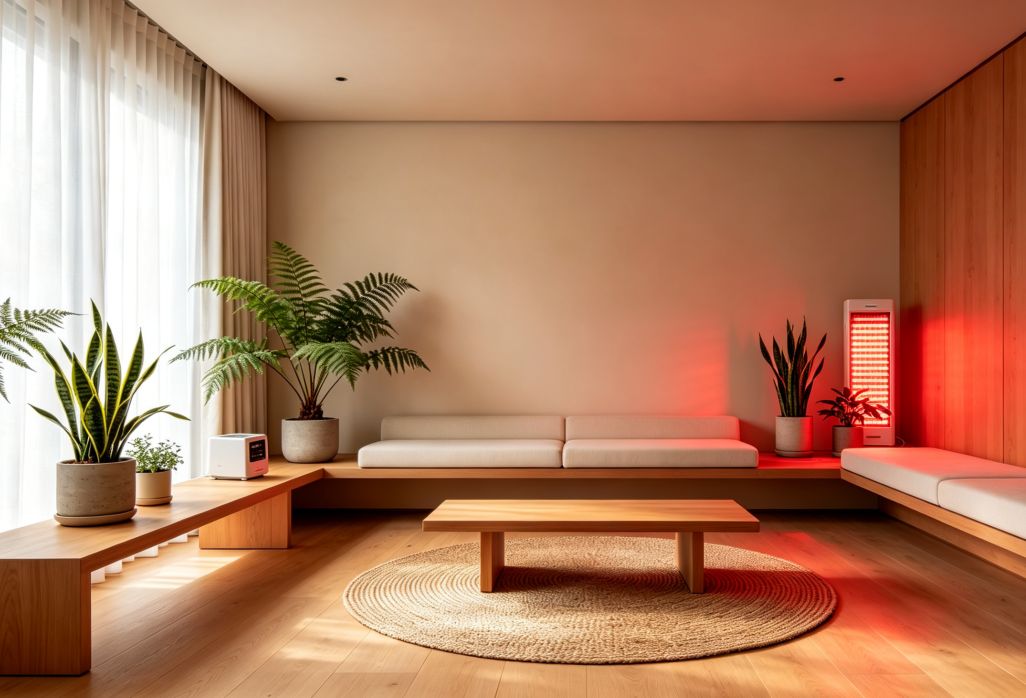
Recovery spaces can include quiet lounges, meditation rooms, infrared therapy areas, cold plunge rooms, massage suites, stretching zones, and relaxation gardens. While these amenities differ depending on the project, they all share a common purpose. They create environments where users can restore both physical and mental energy.
Commercial developers recognize that wellness-focused amenities can improve user satisfaction, while homeowners increasingly seek personalized spaces that support healthier routines. Reports from the International WELL Building Institute indicate that healthier indoor environments positively influence occupant comfort, productivity, and well-being.
Step 1: Plan the Layout With Purpose
A recovery area should fit naturally within the overall building layout. Careful planning prevents unnecessary congestion while allowing visitors to move comfortably between activity zones and relaxation spaces.
- Position recovery rooms near fitness or treatment areas when appropriate.
- Separate quiet spaces from noisy activity zones.
- Create intuitive pathways that reduce confusion.
- Provide privacy without making spaces feel isolated.
Architects frequently use circulation planning to improve user experience. Research published by the Center for Health Design shows that thoughtful layouts can reduce stress while improving navigation throughout healthcare and wellness facilities.
Step 2: Prioritize Accessibility for Every User
Accessibility should be considered from the earliest design stages. Recovery spaces should welcome people of different ages and physical abilities.
- Provide wide doorways and unobstructed circulation paths.
- Include accessible seating and treatment areas.
- Install slip-resistant flooring.
- Ensure clear signage throughout the facility.
The U.S. Access Board provides accessibility standards that help designers create environments where everyone can move safely and comfortably.
Step 3: Design Effective Lighting and Ventilation
Lighting plays a major role in shaping how a recovery environment feels. Studies published by the National Institutes of Health show that exposure to natural light supports healthy sleep patterns, mood regulation, and overall well-being.
Whenever possible, designers should maximize daylight using windows, skylights, or glazed walls. Adjustable lighting systems also allow spaces to transition between active and calming functions throughout the day.
Ventilation deserves equal attention. Reports from the U.S. Environmental Protection Agency indicate that indoor air quality directly affects occupant health and comfort. Fresh air circulation, humidity control, and efficient filtration systems help create healthier wellness environments.
Step 4: Balance Aesthetics With Functionality
A visually appealing recovery area should also perform efficiently. Attractive finishes cannot compensate for poor functionality. Successful wellness environments combine practical planning with calming design elements.
Many designers incorporate natural materials, warm textures, soft color palettes, indoor plants, and acoustic treatments to reduce distractions. Research from the University of Exeter suggests that exposure to natural elements inside buildings can improve well-being and increase satisfaction with indoor spaces.
Furniture should support comfort while remaining durable and easy to maintain. Equipment should be positioned for safe operation without disrupting circulation or creating visual clutter.
Step 5: Adapt Wellness Spaces for Different Building Types
Fitness Centers
Modern gyms increasingly include recovery lounges, stretching rooms, hydrotherapy areas, and relaxation zones alongside traditional workout equipment. These additions encourage members to recover properly after exercise while supporting long-term physical performance.
Hospitality Projects
Hotels and resorts are expanding wellness offerings beyond spas. Dedicated recovery rooms, meditation spaces, sleep-focused suites, and quiet gardens help guests recharge during their stay. Reports from the Global Wellness Institute show that wellness tourism continues to grow as travelers seek experiences that promote health and relaxation.
Healthcare Facilities
Healthcare facilities are increasingly designed around patient comfort, emotional well-being, and recovery needs. Hospitals and outpatient centers now incorporate healing environments that consider factors such as natural light, calming materials, noise reduction, and intuitive navigation. Research from the Center for Health Design indicates that thoughtful healthcare environments can influence patient satisfaction and support better care experiences. Designers can apply healthcare architecture design principles to create spaces that promote safety, reduce stress, and improve the overall experience for patients, visitors, and medical staff.
Luxury Homes
Residential wellness design continues to evolve as homeowners dedicate space for home spas, yoga studios, recovery lounges, cold therapy rooms, and meditation areas. These personalized environments allow wellness routines to become part of everyday life rather than occasional activities.
Step 6: Prepare for Future Wellness Design Trends
The next generation of wellness-focused buildings will likely combine flexible architecture with emerging technologies. Designers are exploring adaptive lighting systems, improved air purification, smart environmental controls, and spaces that respond to changing occupant needs.
Experts from the International WELL Building Institute believe future projects will place greater emphasis on indoor environmental quality, mental well-being, sustainability, and resilience. Buildings are expected to support health throughout every stage of daily life rather than serving only functional purposes.
Architects are also designing more adaptable spaces that can evolve alongside future wellness innovations without requiring extensive renovations. This flexible approach helps property owners protect long-term investments while meeting changing expectations.
Conclusion
Recovery spaces have become an important part of modern architectural design because they address growing expectations for healthier indoor environments. Successful projects begin with thoughtful planning, prioritize accessibility, optimize lighting and ventilation, and balance beauty with everyday functionality. Whether incorporated into fitness centers, hospitality developments, healthcare facilities, or luxury homes, carefully designed wellness environments support comfort, relaxation, and long-term user satisfaction. As research continues to shape best practices and building standards evolve, recovery-focused design will likely remain a defining feature of future residential and commercial architecture.