How Science Influences Modern Architectural Design
Architecture combines creativity with engineering, mathematics, environmental science, and materials research. A building must not only look appealing but also remain stable, comfortable, functional, and suitable for its surroundings.
Scientific principles therefore influence many decisions made during architectural planning and construction.
The Science of Structural Design
See below:
Understanding Forces
Buildings must withstand forces such as gravity, wind, and movement. Engineers use mathematics and physics to determine how structures can safely support their own weight and the loads placed on them. Different materials respond differently to these forces, which influences the design of foundations, walls, beams, and other structural elements.
Materials Matter
Concrete, steel, wood, glass, and newer engineered materials each have different characteristics. Architects and engineers consider strength, durability, weight, insulation, and environmental impact when selecting materials.
Designing for the Environment
Check these out:
 Natural Lighting
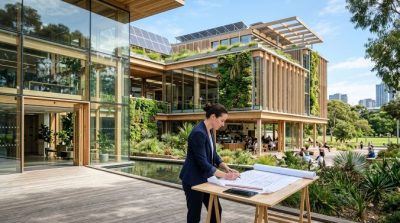 Natural Lighting
Building orientation and window placement can affect how much natural light enters an interior. Good design can reduce the need for artificial lighting during daylight hours while improving the experience of occupants.
Ventilation and Temperature
Air movement and heat transfer are important considerations in building design. Proper ventilation can support indoor comfort, while insulation can help manage heat moving through walls and roofs.
Sustainable Architecture
Modern architecture increasingly considers environmental performance. Solar energy systems, efficient lighting, water-saving fixtures, green spaces, and sustainable materials can all be incorporated into building designs.
Technology can also help monitor energy consumption and improve building efficiency over time.
Conclusion
Architecture is deeply connected to science. Physics helps ensure structural stability, materials science guides construction choices, and environmental principles influence comfort and sustainability. By combining scientific knowledge with creative design, architects can create buildings that are both visually interesting and practical for the people who use them.